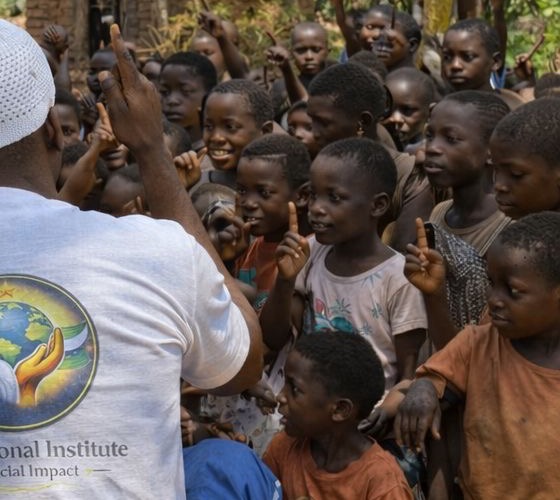
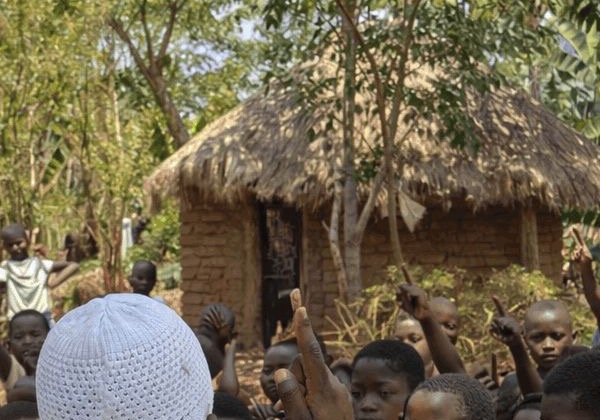
Ask a head teacher in rural Uganda why a quarter of the class is missing on a Monday morning and the answer is often the same: water. In villages without a protected source, children, mostly girls, walk to a spring or a swamp before school, queue, and carry twenty litres back. By the time they arrive the first lessons are over.
The water they carry is not safe either. An open spring shares its catchment with animals and latrines, and the clinics in the districts where we work record diarrhoeal illness among the main reasons children under five are brought in. A sick child misses more school, and a parent who cares for a sick child misses the field or the market.
What a protected spring is
A protected spring is simple engineering: a concrete box built around the point where water leaves the ground, a pipe that carries it to a tap stand, and a drainage channel that keeps surface water out. It costs a few thousand dollars, lasts decades with basic maintenance, and brings the water to within a few minutes of most homes.
The part that matters as much as the concrete is the committee. Before any work begins, the village elects a group that will keep the tap stand clean, collect a small fee and hold the spare parts. Where that committee exists, the spring is still working ten years on. Where it does not, it is often broken within two.
What changes
In communities with a protected spring and tanks at the school, teachers report that girls arrive on time and that the number of children sent home ill drops sharply. The time families recover goes to the farm, the market and homework. That is why clean water sits beside education and health in our programs: they are the same project seen from different doors.
Our current appeal for Kyotera funds a protected spring and two rainwater tanks for about 300 families. You can read the plan, the budget and the updates on the appeal page.